admin
admin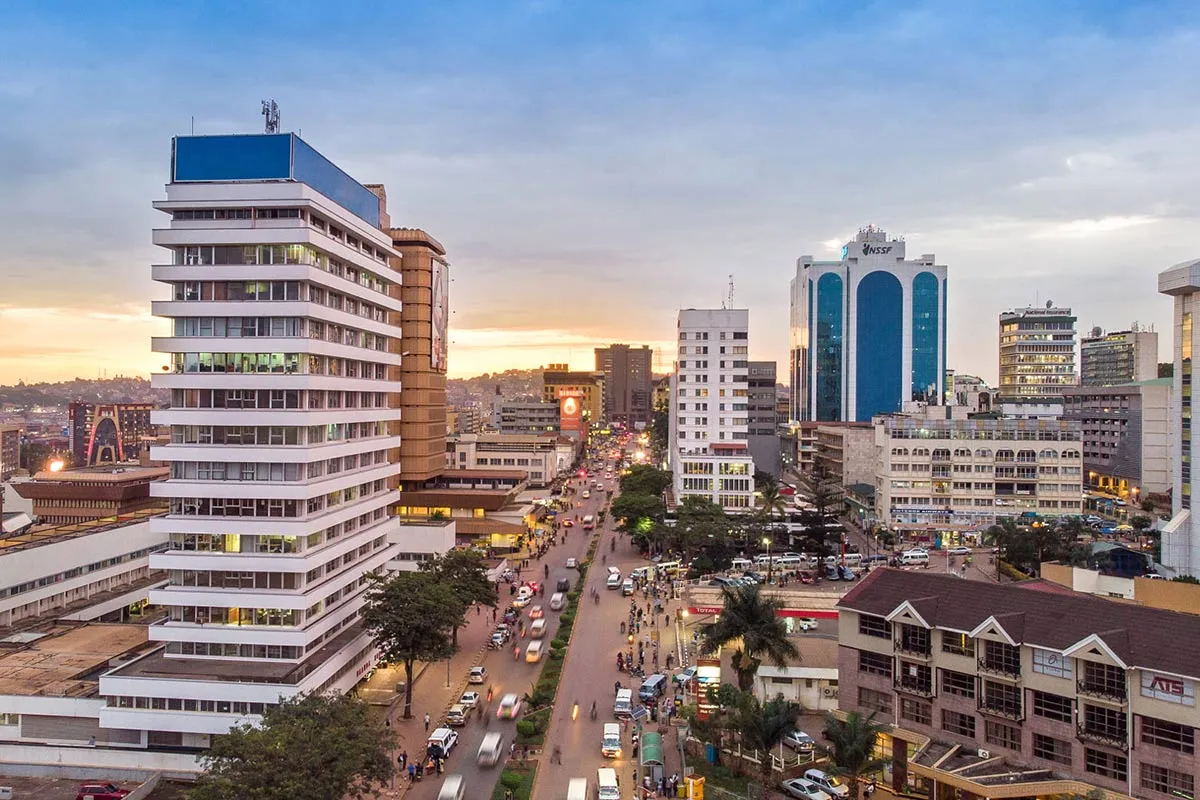
Uganda rewards the self-driver. Unlike some East African destinations where independent travel through parks is discouraged or impractical, Uganda’s road network and park infrastructure make it genuinely possible to hire a 4×4 in Kampala and drive yourself to gorillas, tree-climbing lions, and the source of the Nile. But “possible” doesn’t mean identical to driving at home. Here’s what to actually expect self drive ing from Kampala to Uganda’s national parks.
Choosing the Right Vehicle
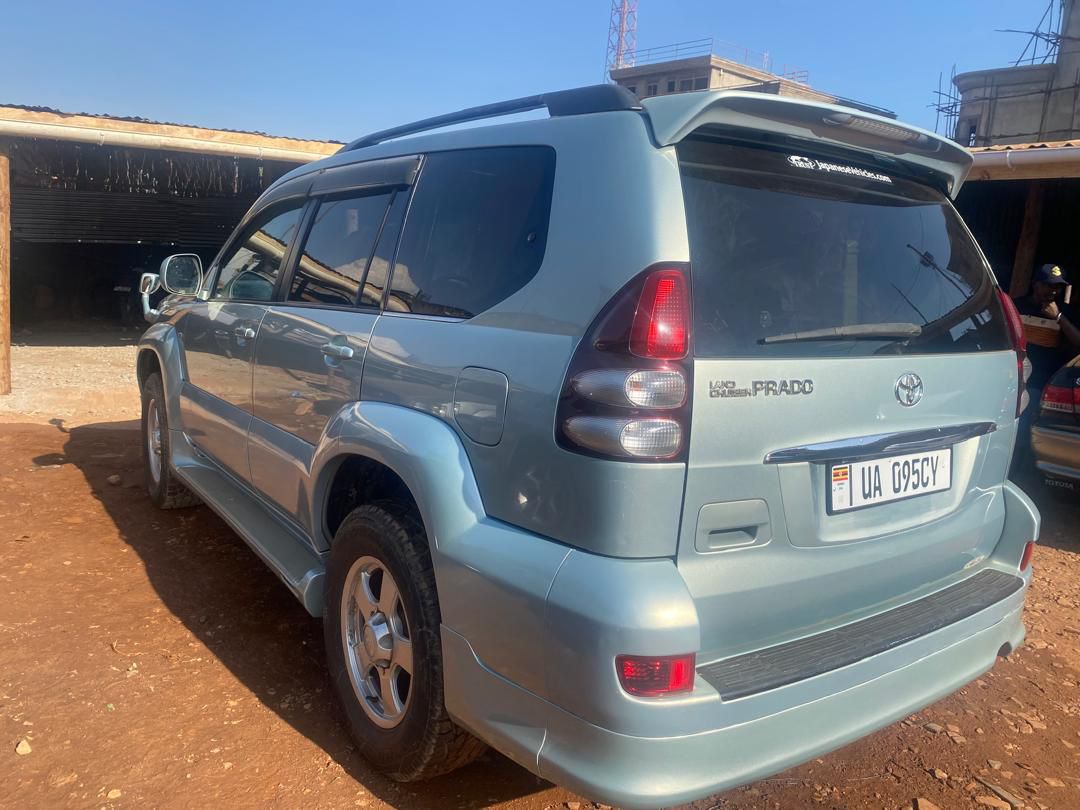
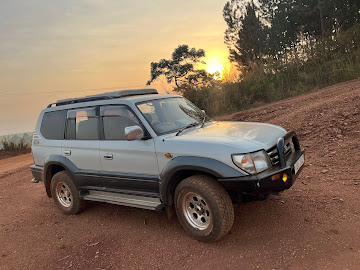
Don’t rent a sedan and hope for the best. A high-clearance 4×4 — a Toyota Land Cruiser or RAV4 are the most common rental choices in Kampala — is essential once you leave the tarmac. Many park access roads are murram (compacted dirt) and turn to thick mud within an hour of rain, even in the dry season. Double-check that your rental includes a spare tire in good condition, a jack, recovery gear, and ideally a roof tent or camping setup if you’re combining driving with budget accommodation.
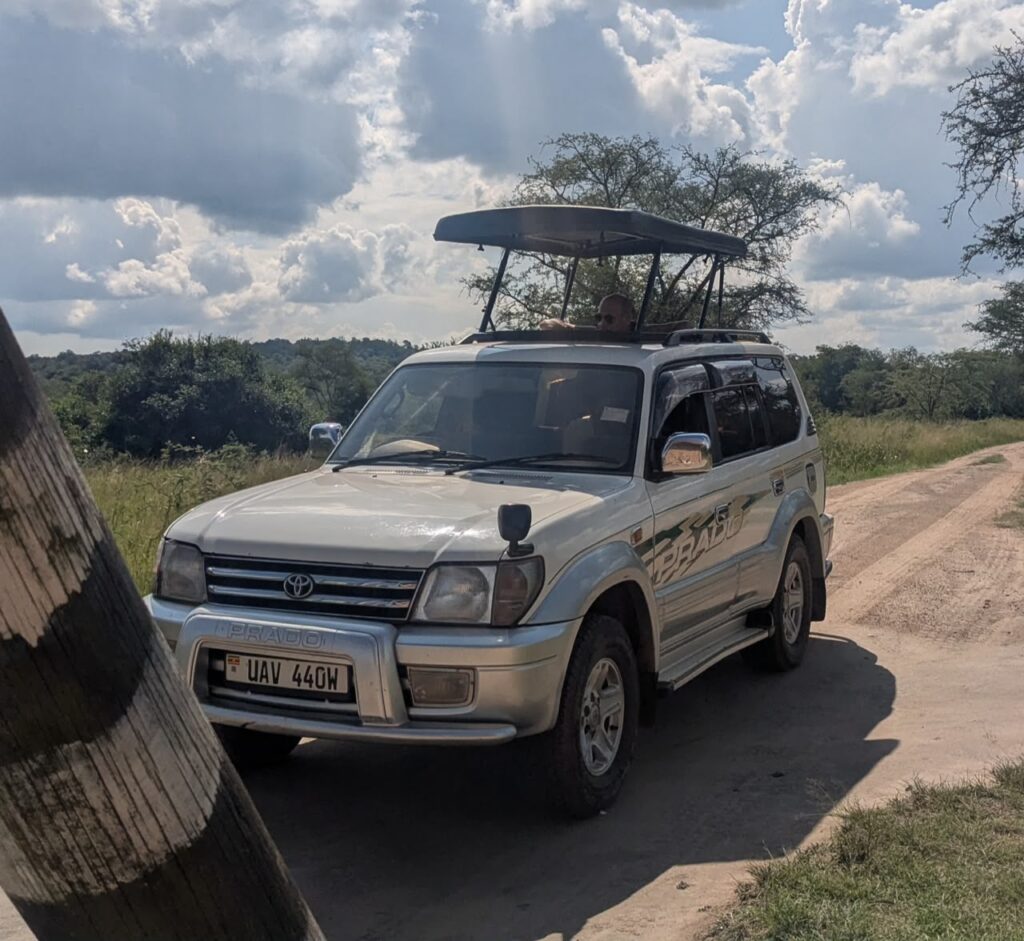
If this is your first time driving in Uganda, consider renting with a driver-guide for at least the first leg. It costs more, but you’ll learn the roads, get help at the countless police checkpoints, and have someone who knows which detours avoid the worst potholes.
Road Conditions: Tarmac vs. Murram
The main highways connecting Kampala to major parks are paved and generally well maintained:
- Kampala to Murchison Falls National Park (via Masindi): mostly tarmac, roughly 5–6 hours.
- Kampala to Queen Elizabeth National Park (via Mbarara or Fort Portal): tarmac most of the way, 6–8 hours depending on route.
- Kampala to Bwindi Impenetrable National Park (for gorilla trekking): tarmac to Kabale or Rukungiri, then a mix of tarmac and steep, winding murram for the final stretch. Budget 8–9 hours and don’t rush the last two hours.
- Kampala to Kidepo Valley National Park: the outlier. This is Uganda’s most remote park, and the drive (9–11 hours) includes long stretches of rough road through Karamoja. Most first-timers fly instead.
Once inside the parks themselves, expect unpaved tracks throughout. Speeds of 20–30 km/h are normal, both because of terrain and because you’ll want to slow down for wildlife crossings.
Fuel, Cash, and Connectivity
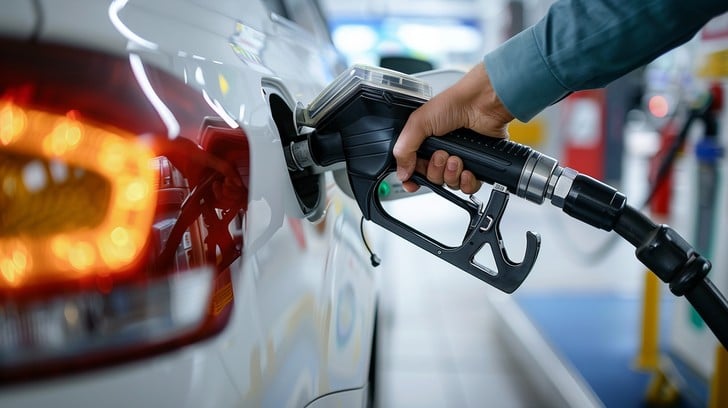
Fuel stations thin out fast once you’re past regional towns. Fill up in Kampala and again at the last major town before entering a park — Masindi, Mbarara, or Kabale, depending on your destination. Don’t rely on finding fuel inside or immediately around the parks.
Carry Ugandan shillings in cash for fuel, roadside snacks, and small tolls, since card payment is unreliable outside cities. Mobile network coverage is decent along main highways but drops out completely in many park interiors — download offline maps (Maps.me or Google Maps offline areas) before you leave Kampala.
Permits and Park Entry
Every national park requires an entry permit, purchased either in advance through the Uganda Wildlife Authority (UWA) or at the park gate. Gorilla trekking permits for Bwindi and Mgahinga must be booked well in advance — often months ahead in high season — and are checked separately from general park entry. Keep printed or digital copies of all permits and your passport; you’ll show them repeatedly at gates and checkpoints.
Police Checkpoints and Road Etiquette
You will be stopped at checkpoints, sometimes several times on a single route when driving from Kampala to Uganda’s national park. This is routine, not a sign of trouble. Keep your driving permit, rental agreement, and passport within easy reach, stay polite, and you’ll usually be waved through in under a minute. Boda bodas (motorcycle taxis) dominate the roads and behave unpredictably — give them a wide berth rather than expecting them to yield.
Driving After Dark
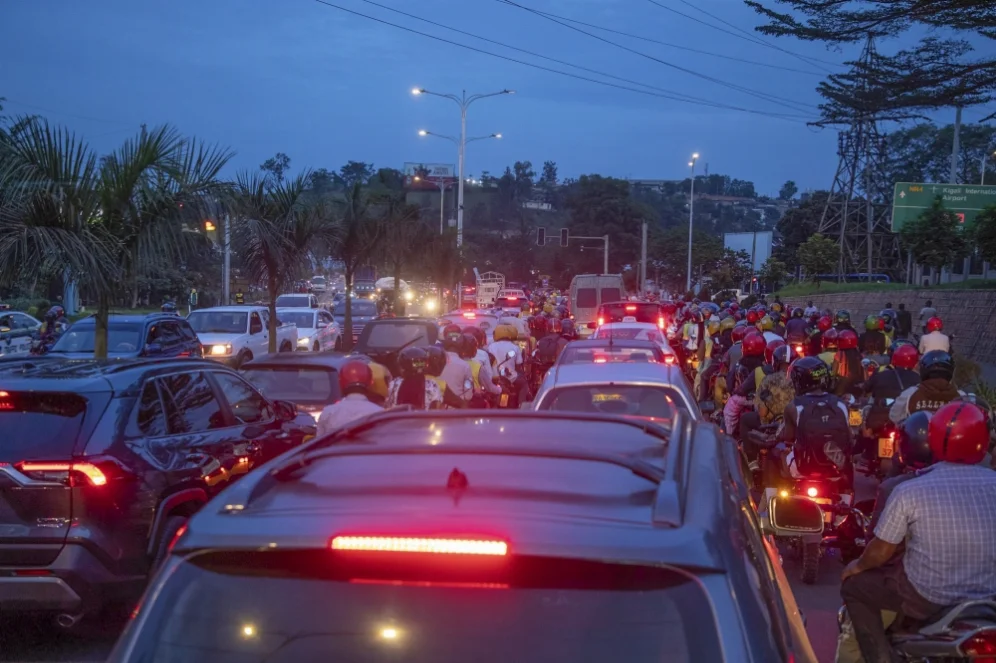
Avoid it. Unlit roads, wandering livestock, disabled trucks without warning triangles, and wildlife on park approach roads make night driving genuinely risky. Plan your departure times so you’re at your destination well before sunset, which falls around 7 pm year-round near the equator.
Wildlife on the Road
Inside and near the parks, elephants, buffalo, and antelope cross roads without warning, especially at dawn and dusk. Keep speeds low, never approach elephants with calves, and give any large animal the right of way — reversing calmly is always the right move if one blocks the track.
A Realistic First Itinerary
For a first self-drive trip, many travelers combine Queen Elizabeth National Park with either Bwindi or Kibale, since the roads between them are workable and the driving distances reasonable. Trying to loop through Murchison, Kibale, Queen Elizabeth, and Bwindi in one trip is common but tiring — build in a non-driving rest day if your schedule allows it.
The Bottom Line
Self-driving from Kampala to Uganda’s national parks is one of the most rewarding ways to experience the country — you set the pace, stop for the shot you want, and skip the group-vehicle compromises. Just go in prepared: the right vehicle, cash and fuel discipline, permits sorted ahead of time, and a firm rule against driving after dark. Do that, and the roads become part of the adventure rather than an obstacle to it.
To book a rental car for self drive trip from Kampala to Uganda’s national parks, simply contact us no by emailing to info@supremecarrentaluganda.com or calling us now +256-742874045 / +256-703903243 to speak with our reservations team.