admin
admin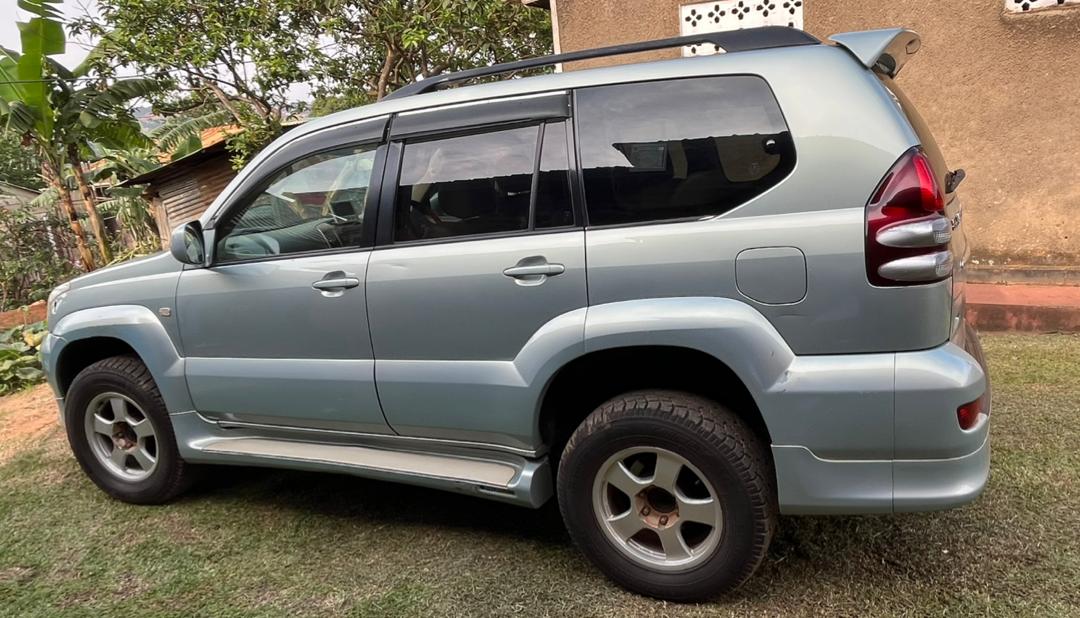
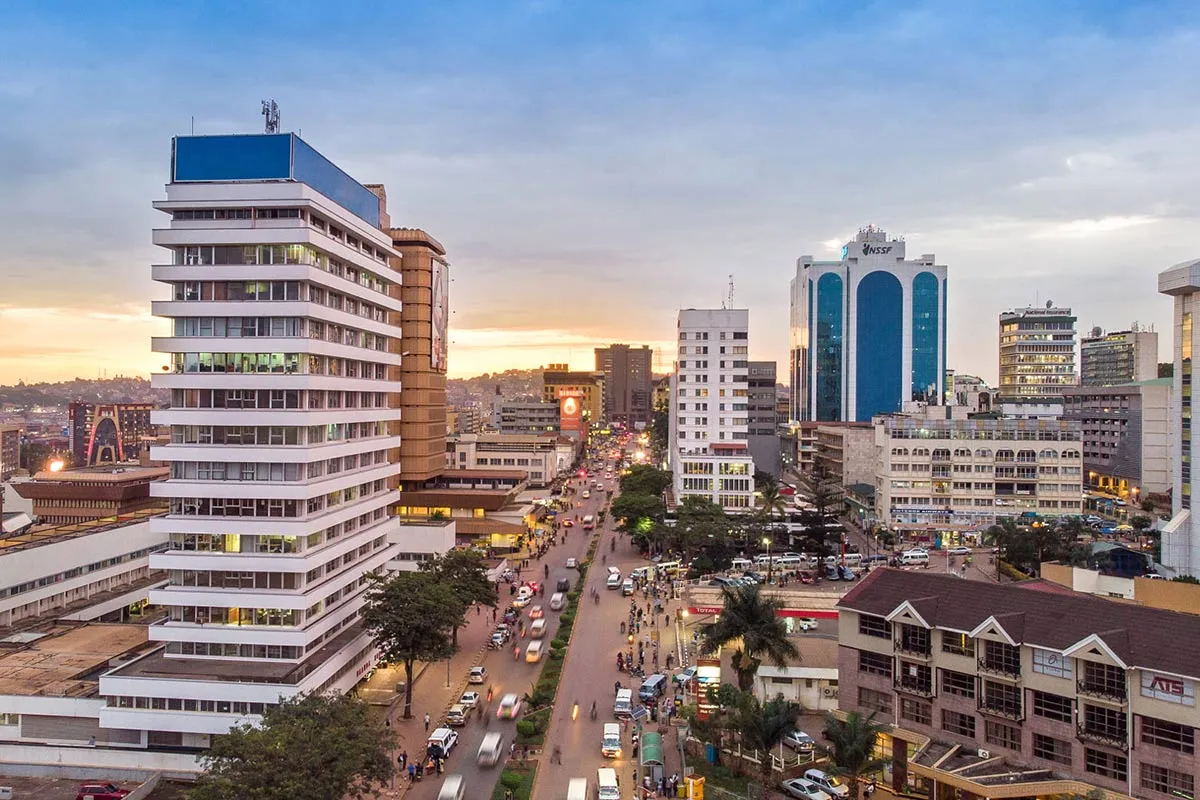
Ultimate Guide to Self-Drive in Uganda: 2026– Self-drive Uganda experiences offer unmatched freedom and flexibility compared to guided tours. Instead of following fixed schedules, travelers explore at their own pace. Moreover, they can stop at roadside markets, discover hidden waterfalls, and enjoy authentic local encounters. However, driving in the Pearl of Africa comes with unique conditions. Therefore, proper preparation is essential.
This complete guide explains everything you need to know about car rental Uganda, road rules, vehicle choice, and safety tips. As a result, you can confidently plan a smooth and memorable self drive car rental adventure in Uganda.
Legal Requirements for Self-Drive in Uganda
Before starting your journey, you must meet Uganda’s legal driving requirements. Although Uganda accepts valid foreign driving licenses, an International Driving Permit (IDP) is strongly recommended. In fact, most car rental Uganda companies require it.
Additionally, you must carry:
- Your passport
- Vehicle registration documents
- Comprehensive insurance papers
- Third-party liability cover
Since police checkpoints are common, always carry physical copies. Furthermore, when entering national parks, vehicle access permits are required. These usually cost between USD 40 and USD 150 depending on the park. Your self drive car rental company can guide you through this process.
Choosing the Right Vehicle for Uganda Roads
Vehicle selection determines where you can safely travel. While Uganda has good highways, many safari routes include rough terrain.
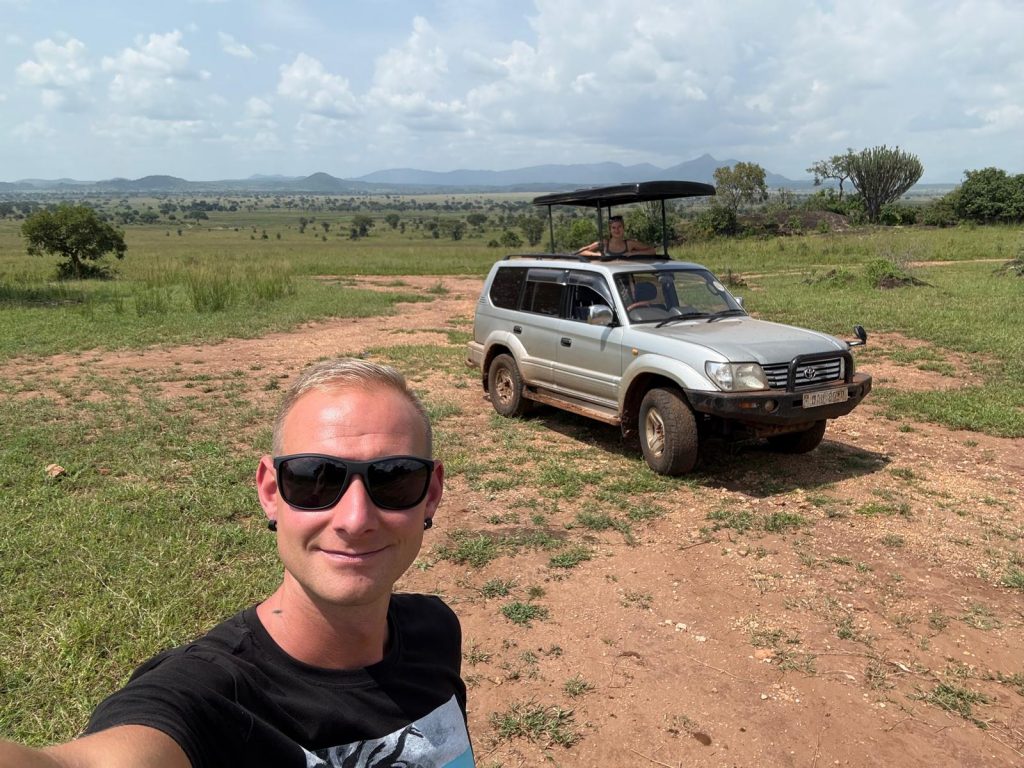
For destinations such as Bwindi Impenetrable National Park, Kidepo Valley, and remote parts of Queen Elizabeth National Park, a 4×4 vehicle is essential. During rainy seasons, steep and muddy roads become dangerous for two-wheel drive cars.
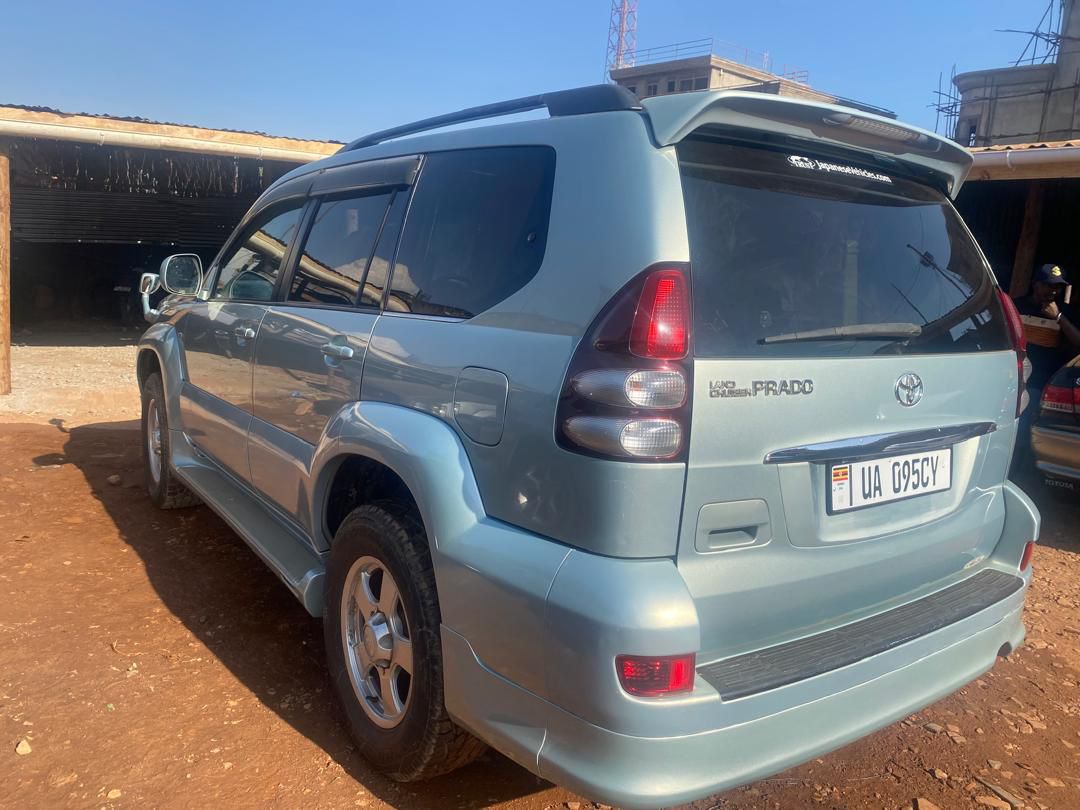
Therefore, a Toyota Land Cruiser remains the most recommended option for self drive Uganda trips. It offers reliability, high ground clearance, and easy access to spare parts. Ensure your vehicle includes:
- A spare tire
- Jack and basic tools
- GPS or phone mount
Understanding Uganda’s Driving Culture
Driving in Uganda requires patience and alertness. Traffic flows on the left-hand side, which may take time to adjust to.
Moreover, boda-bodas (motorcycle taxis) move unpredictably. Likewise, matatus (minibuses) stop abruptly. Because of this, defensive driving is crucial.
In rural areas, livestock often wander onto roads. Additionally, unmarked speed bumps—locally called “sleeping policemen”—are common. Therefore, drive cautiously, especially near towns and villages.
Night driving is strongly discouraged. Poor lighting, pedestrians, animals, and unmarked hazards increase accident risk. Always plan to arrive at your destination before sunset.
Navigation and Route Planning
Google Maps works well on major routes. However, coverage reduces significantly in remote areas. For this reason, download offline maps before departure.
For example, the Kampala to Bwindi route takes about 8–10 hours. Although most sections are paved, the final stretch is steep and winding. Therefore, allow extra time, especially after rain.
In general:
- Highways allow 80–100 km/h
- Murram roads require 30–50 km/h
Always plan conservatively. In Uganda, 300 km can easily take 6–8 hours due to road conditions and stops.
Police Checkpoints and Traffic Rules
Police checkpoints are normal and legal. Therefore, remain calm and polite. Present documents when requested.
If fined, officers should issue an official ticket. Never pay cash directly at the roadside. Instead, follow official payment procedures.
Speed limits are:
- 80 km/h on highways
- 50 km/h in towns
- 40 km/h in trading centers
Seatbelts are mandatory. Mobile phone use while driving is prohibited.
Fuel Strategy During Self-Drive Uganda Trips
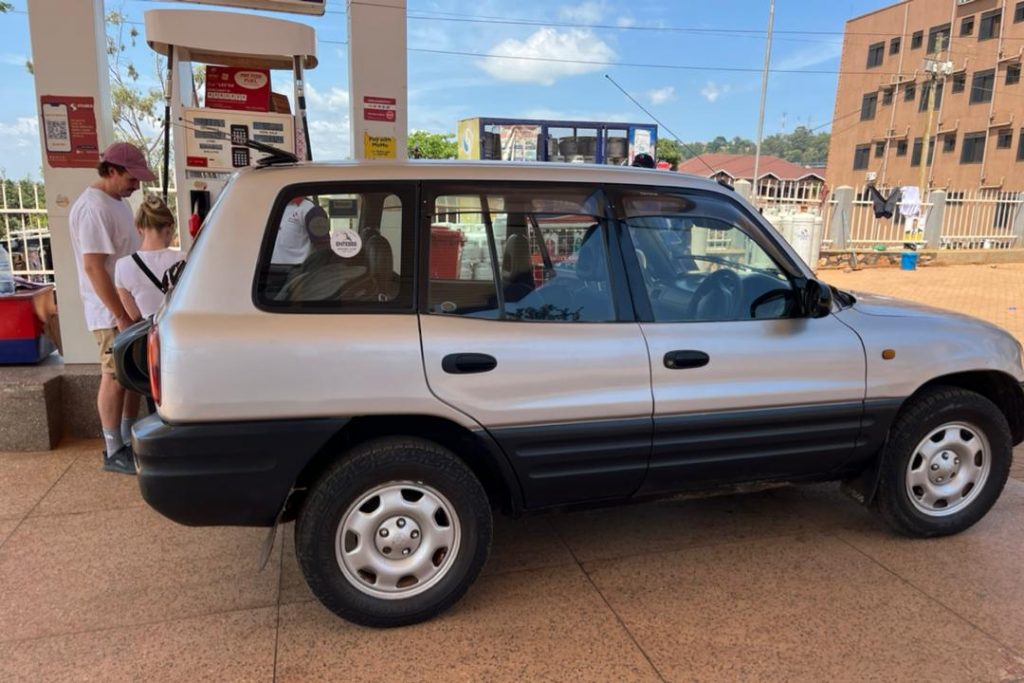
Fuel management is critical. While cities have many stations, rural areas may have none for long distances.
As a rule, refuel whenever the tank reaches half. Fuel shortages occur occasionally, especially upcountry.
For remote destinations like Kidepo Valley, carrying extra fuel in jerry cans is advisable. Fuel prices average USD 1.50–1.60 per liter. A Land Cruiser typically consumes 15–20 liters per 100 km.
Road Conditions and Best Travel Seasons
Uganda has two rainy seasons: March–May and September–November. During these months, roads become slippery and muddy. Consequently, driving becomes challenging.
The dry seasons—June–August and December–February—are ideal for first-time self drive Uganda travelers. Roads are firmer, visibility is better, and risks are lower.
Potholes are common. Therefore, stay alert at all times and reduce speed on unfamiliar roads.
Emergency Preparedness and Safety
Even with planning, emergencies happen. Ensure your car rental Uganda company provides 24/7 support.
Carry:
- First aid kit
- Drinking water
- Snacks
- Flashlight
- Power bank
- Jumper cables
If the vehicle breaks down, stay with it and contact the rental company immediately.
Cultural Awareness on the Road
Ugandans are friendly and welcoming. When asking for directions, confirm with more than one person. Also, slow down in villages and watch for children.
If an accident occurs, remain calm. Take photos, exchange details, and call both the police and your car rental provider.
Why Self-Drive Uganda Is Worth It
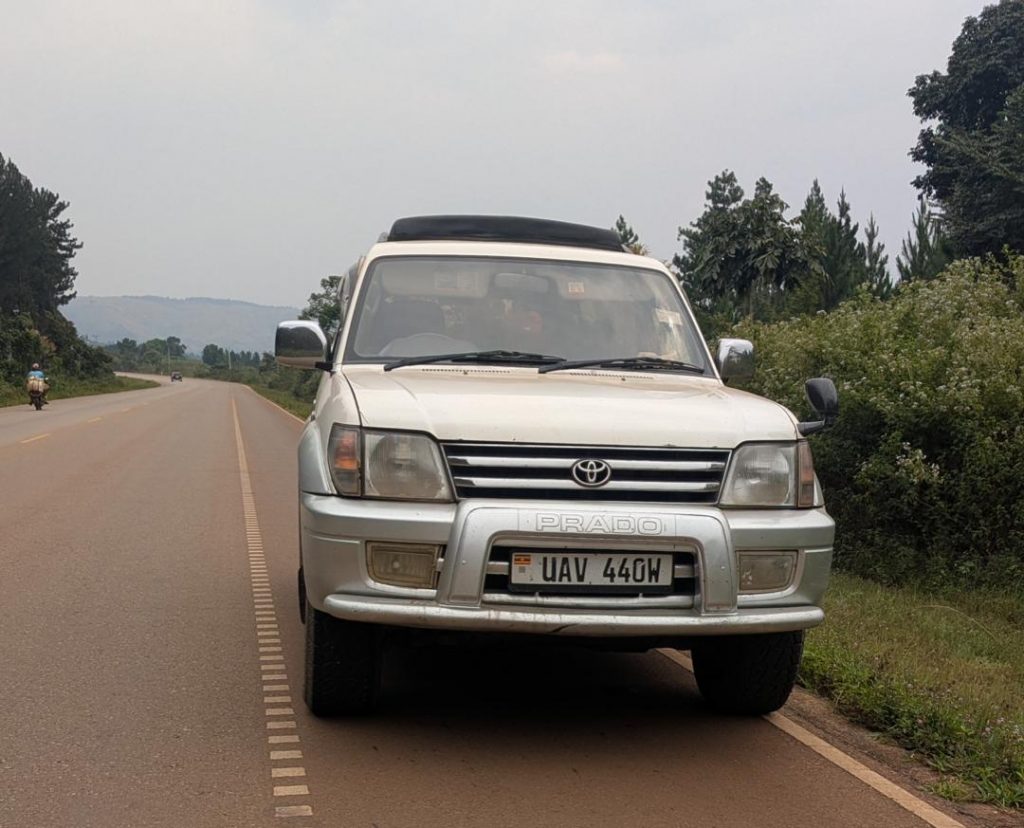
Self driving in Uganda allows spontaneous discovery. Whether it is a roadside fruit stall, a hidden viewpoint, or a local eatery, these moments create lasting memories.
Flexibility is key. Delays are normal. Therefore, enjoy the journey, not just the destination.
How to Book a Car in Uganda with Supreme Car Rental Uganda
Booking your self drive car rental Uganda is simple:
- Contact Supreme Car Rental Uganda
- Share your travel dates and route
- Choose a suitable 4×4 vehicle
- Confirm booking and receive full support
Contact Supreme Car Rental Uganda
Email: info@supremecarrentaluganda.com
Call / WhatsApp: +256 742 874045