admin
admin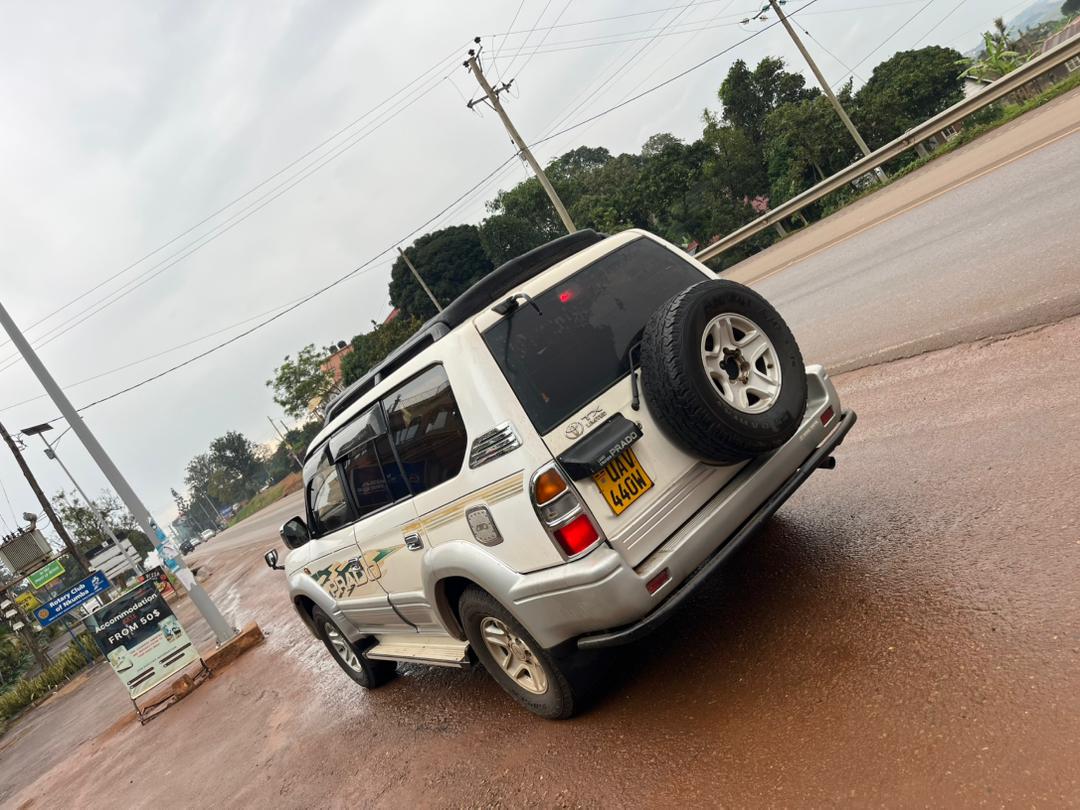
The Ultimate Guide to Types of Roads in Uganda-Car Rental- Understanding the types of roads in Uganda is essential, especially if you plan a self-drive Uganda trip or want a smooth car rental Uganda experience. Because Uganda has diverse landscapes, knowing what to expect helps you prepare better, choose the right vehicle, and travel safely.
At Supreme Car Rental Uganda, we focus on providing reliable 4×4 vehicles that suit both urban and off-road environments. Whether you are heading into Bwindi Impenetrable Forest, driving around Kampala, or visiting Lake Victoria, this guide helps you understand Uganda’s road system easily and clearly.
Overview of Uganda’s Road Network
Uganda’s road network covers about 159,366 km, forming the backbone of transportation. It carries nearly 95% of all goods and passengers. Because the system serves both local and international needs, it is divided into four categories:
- National Roads
- District Roads
- Urban Roads
- Community Access Roads (DUCAR)
Over the years, Uganda’s roads have improved. Yet challenges remain, especially during rainy seasons. Therefore, choosing the right car rental Uganda vehicle—often a 4×4—is important, especially for long trips or safaris.
1. National Roads
National roads make up about 20,854 km of the entire network. These major routes connect cities, borders, airports, and key economic areas. They are the most important roads and handle heavy traffic.
Because these roads support national trade, many are paved and kept in good condition. For example, the Kampala–Entebbe Expressway significantly reduced travel time to the airport. Likewise, the Kampala–Jinja Highway supports trade with Kenya.
Best Vehicle Choice
For national roads, a comfortable SUV like a Toyota RAV4 works well. However, travelers heading toward remote areas benefit from a Land Cruiser or similar 4×4.
2. District Roads
District roads total 38,603 km and mainly link district centers to national roads. Since most of them are gravel, they require vehicles with good ground clearance. Because these roads often pass through rural areas, rain can make them slippery.
These roads support agriculture and rural transport. Many farmers use them to take goods to markets. Although improvements continue, travelers should prepare for occasional rough patches.
Best Vehicle Choice
A strong 4×4 is recommended due to uneven terrain.
3. Urban Roads
Uganda’s towns and cities have 19,959 km of urban roads. These include paved streets, ring roads, and major routes within Kampala, Jinja, and Gulu. Traffic lights, speed bumps, and pedestrian areas are common.
However, Kampala experiences heavy congestion, and potholes appear during rainy seasons. Because traffic delays are common, planning ahead is helpful.
Best Vehicle Choice
Compact SUVs handle city driving well and offer comfort and visibility.
4. Community Access Roads
Community access roads account for 79,947 km, making them the largest category. These roads connect small villages to district centers, health centers, and markets. Most are unpaved and become difficult to use during heavy rain.
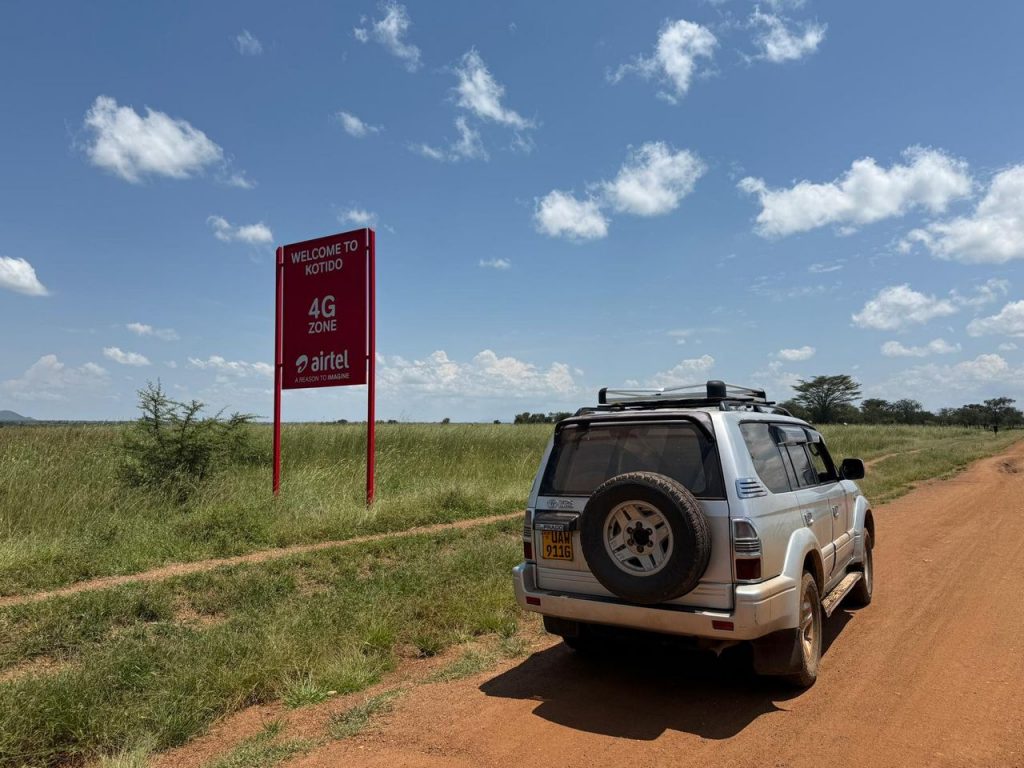
Although improvements are ongoing, many of these roads remain rough. Because they serve deep rural areas, they are essential for travelers heading to remote parts of Uganda, including safari parks and forest reserves.
Best Vehicle Choice
A 4×4 with all-terrain tires is necessary here.
Road Surface Types in Uganda
Ugandan roads fall into three main surface types:
- Paved (Bituminous) – Smooth and ideal for long trips
- Gravel/Murram – Durable but slippery in rain
- Earth Roads – Common in villages and often affected by weather
Because Uganda has tropical weather, murram and earth roads can quickly change condition after rainfall. Therefore, travelers should check route updates before driving.
Current Road Conditions and Challenges
Although Uganda’s roads have improved, a few challenges remain. Budget limitations affect maintenance. Heavy rains cause flooding. Some rural bridges need upgrades. Additionally, some ongoing construction projects face delays.
However, progress continues. The government now focuses more on maintenance. More roads are being upgraded to bitumen, and districts receive support for upkeep.
For travelers, this means road quality varies. Yet, with the right vehicle and proper planning, you can explore the whole country comfortably.
Choosing the Right Car for Uganda Roads
Because road conditions vary, choosing your vehicle wisely is important. Here is a simple guide:
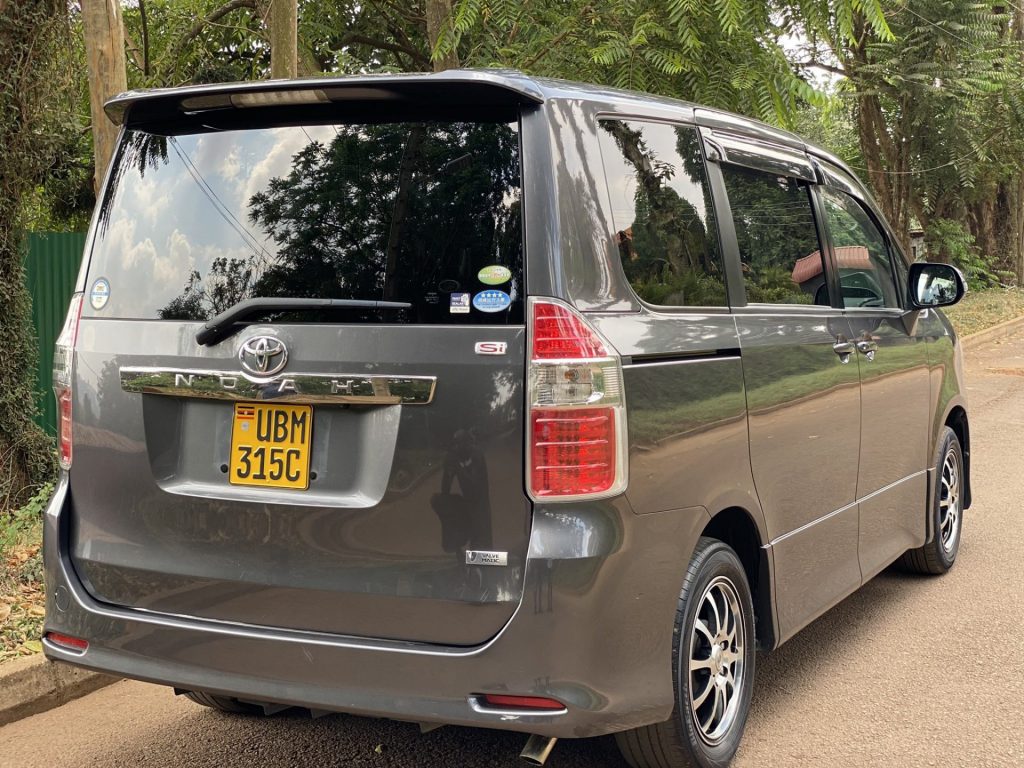
- City driving: Toyota Premio, small SUV
- Mixed roads: Toyota RAV4
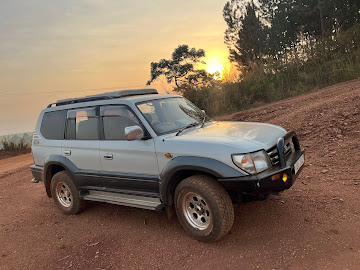
- National parks and remote areas: Toyota Land Cruiser, Prado, Hilux
- Long trips: Comfortable long-range 4×4
Self-drive Uganda trips are best enjoyed with a rugged vehicle that handles all terrains.
How to Book a Car in Uganda
Booking a car in Uganda is simple and fast with Supreme Car Rental Uganda. Because we specialize in self-drive Uganda, 4×4 car rental, and long-term rental, we provide well-maintained vehicles that match every itinerary.
To book your car today:
Choose the right vehicle, drive confidently, and explore Uganda with comfort and safety.
Call / WhatsApp: +256 742 874045
Email: info@supremecarrentaluganda.com
Website: www.supremecarrentaluganda.com